Last Updated on May 2, 2026 by Used House Of Vintage
Some engagement rings look pretty. Others feel like they have a story before you even ask about them. Vintage engagement rings often fall into that second group.
They have shape, detail, color, texture, and a little bit of drama. That is why many people love them. They do not feel plain or copied. They feel personal.
A vintage engagement ring can be a true antique ring, a family heirloom, an estate piece, or a new ring made with vintage design details. Each option has its own charm. Each option also comes with practical things to check before you buy.
The goal is simple. You want a ring with character, but you also want a ring that can handle real life. A ring should look beautiful in a photo, but it should also survive work, errands, handwashing, travel, and normal daily wear.
Here is what you should know before choosing a vintage-style engagement ring.
What Makes an Engagement Ring Feel Vintage?
A ring does not need to be 100 years old to feel vintage. The design creates that feeling. Small details can make a new ring look like it came from another time.
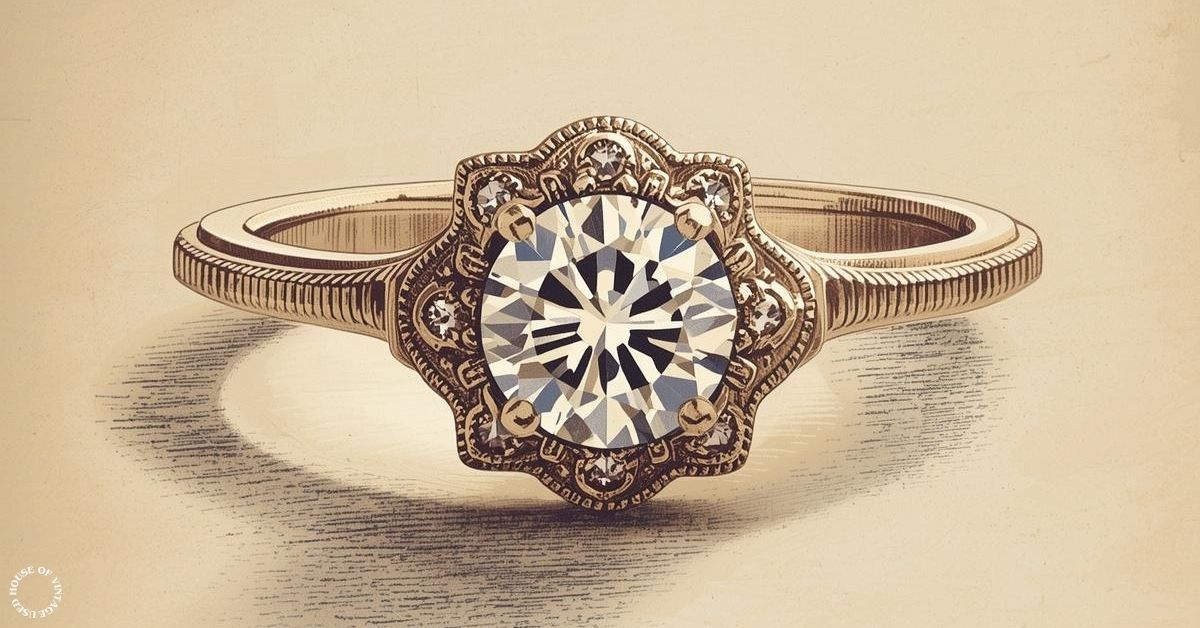
Vintage engagement rings often include milgrain edges, engraved bands, floral shapes, filigree patterns, halo settings, or old-style stone cuts. These details add softness and depth. They also make the ring feel more crafted.
An antique engagement ring usually refers to a ring that is 100 years old or older. A vintage ring often refers to a ring from a past design period, but sellers may use the term in different ways. An estate ring means the ring was previously owned, but it may or may not be old.
A vintage-inspired engagement ring is new, but it uses older design elements. This option works well for people who love vintage style but want fresh metal, secure settings, and easier sizing.
The best vintage ring does not look busy for no reason. Every detail should support the center stone and the shape of the hand. Too much detail can make a ring feel heavy, so balance matters.
Why Vintage Engagement Rings Have So Much Character
Vintage rings often feel special because they show more detail than many modern rings. A simple solitaire can look clean and elegant, but a vintage ring often gives the eye more to notice.
You may see hand engraving along the band. You may see tiny bead-like milgrain around the stone. You may see a floral basket under the center stone, or side stones that form a soft frame.
These details give the ring personality. They make the ring feel less like a product and more like a personal choice.
Vintage-style rings also use shapes that modern rings sometimes skip. Old mine cuts, old European cuts, rose cuts, cushion cuts, marquise cuts, and emerald cuts can all create a strong vintage mood.
Some older rings also have small signs of age. A soft edge here. A slight warmth in the stone there. Those marks can make the ring feel human, as long as the structure remains safe.
That part matters. Character is lovely, but loose stones and thin metal are not cute. Always check the ring’s condition before you fall too hard for the look.
Know the Difference Between Antique, Vintage, Estate, and Vintage-Inspired Rings
These terms can get confusing fast, so let’s keep them simple.
An antique ring is usually at least 100 years old. These rings may come from periods such as Victorian, Edwardian, or early Art Deco. They can be rare and full of detail, but they may need careful handling.
A vintage ring usually refers to an older ring from a past style period. Some jewelers use “vintage” for rings that are at least 20 years old. Others use it for rings that are 50 years old or more.
An estate ring is any pre-owned ring. It could be 5 years old or 95 years old. The word “estate” does not always mean antique.
A vintage-inspired ring is new. It uses design details from older periods, such as filigree, halos, engraving, milgrain, or old-style stone shapes.
This difference matters because it affects price, care, repairs, and resizing. A true antique ring may need more inspection before purchase. A vintage-inspired ring may offer more durability and easier customization.
Ask the jeweler direct questions. How old is the ring? Has it been repaired? Are the stones original? Can the ring be resized? Does it come with an appraisal?
Those questions may feel a bit boring in the moment, but they protect you from expensive surprises later.
Popular Vintage Engagement Ring Eras to Know
You do not need to become a jewelry historian before buying a ring. Still, knowing a few design eras helps you explain what you like.
Victorian rings often feel romantic and detailed. They may include yellow gold, floral designs, colored gemstones, seed pearls, or symbolic shapes. These rings can feel warm, sentimental, and soft.
Edwardian rings often use platinum, lace-like details, filigree, and milgrain. They look airy and delicate. Many Edwardian-style rings feel elegant without looking too bold.
Art Deco rings feel sharper and more graphic. They often include geometric shapes, step-cut stones, strong symmetry, white metals, and colored accents. Sapphire, emerald, and onyx details often appear in Art Deco-inspired designs.
Retro rings usually have larger shapes, bold curves, yellow gold, rose gold, and a stronger presence on the hand. These rings can feel glamorous and confident.
Each era has a different mood. Victorian rings feel romantic. Edwardian rings feel delicate. Art Deco rings feel bold and clean. Retro rings feel dramatic.
You may like one era, or you may like a mix. That is fine. Most people do not choose a ring because of a history label. They choose it because it feels right.
Choose a Stone Cut That Matches the Vintage Mood
The stone cut shapes the ring’s whole personality. A modern round brilliant diamond gives strong sparkle. Older cuts often give a softer glow.
Old mine cut diamonds have a cushion-like shape, chunky facets, and a warm glow. They often look romantic and slightly imperfect in the best way.
Old European cut diamonds are rounder and more balanced than old mine cuts. They have larger facets than many modern diamonds, so they reflect light in a softer pattern.
Rose cut diamonds have a flat bottom and a domed top. They do not sparkle like modern diamonds, but they have a gentle shine that feels old-world and calm.
Cushion cuts also work well in vintage settings. Their rounded corners feel soft, and they pair nicely with halos, milgrain, and engraved bands.
Emerald cuts and Asscher cuts fit Art Deco rings beautifully. Their clean lines and step-like facets create a calm, mirror-like look.
Marquise and oval cuts can also feel vintage, especially when paired with detailed side stones or a halo. They lengthen the look of the finger and add drama without needing a huge stone.
Some buyers also like more unusual shapes, especially if they want a darker vintage mood. For example, Coffin Cut Engagement Rings can suit a gothic-inspired vintage style when the setting uses balanced metalwork, clean lines, and a center stone that still feels elegant rather than costume-like.
Before you choose a cut, view the stone in different light. Jewelry store lighting can make almost anything sparkle. Natural light tells the truth.
Look Beyond Diamonds for a More Personal Ring
Diamonds are classic, but they are not the only choice. Colored gemstones can give a vintage engagement ring more personality.
Sapphire is one of the strongest options. Blue sapphire feels traditional, but pink, yellow, green, and white sapphires can create a unique look. Sapphire also handles daily wear well.
Ruby brings a rich red color. It feels bold, romantic, and timeless. A ruby center stone looks stunning in yellow gold or platinum.
Emerald gives a deep green look that feels elegant and old-fashioned. But emeralds need care because they often have natural inclusions. A protective setting can help reduce risk.
Aquamarine gives a soft blue tone. It pairs well with white gold, platinum, and vintage halo settings. It looks gentle and clean.
Garnet can bring a deep red or wine tone. It works well in antique-inspired rings, especially for someone who likes warm, moody color.
Opal and pearl can look beautiful, but they need gentle wear. They scratch and damage more easily than sapphire, ruby, or diamond. They may work better for occasional wear than daily use.
Colored side stones also add character without taking over the ring. Tiny sapphires, emeralds, or rubies beside a diamond can create a vintage look while keeping the center stone classic.
Here is a good rule: choose the stone based on lifestyle, not only color. A stone may look perfect, but it still needs to match how the wearer uses their hands every day.
Pay Attention to Setting Details
The setting gives a vintage engagement ring much of its charm. It also keeps the stones safe, so looks and structure must work together.
Milgrain is a row of tiny metal beads along an edge. It can frame a stone and make the ring feel antique. It looks small, but it changes the whole mood.
Filigree uses fine metal patterns, often with open spaces. It can look like lace made from metal. This detail appears often in Edwardian and vintage-inspired rings.
Engraved bands add texture and personality. Floral engraving, leaf shapes, and scroll patterns can make even a simple ring feel special.
Halo settings place smaller stones around the center stone. Vintage halos often look softer and more detailed than modern halos. They can make the center stone appear larger.
Three-stone settings also work well in vintage designs. The side stones can represent past, present, and future. Or they can simply add shape and balance.
Cluster rings use several stones to form one larger design. They can look floral, bold, or antique. Make sure the smaller stones sit securely, because tiny stones can loosen over time.
Bezel settings wrap metal around the stone. They offer extra protection and create a smooth edge. This setting works especially well for softer stones or active wearers.
Look closely at the prongs, band, and small stones. If the metal looks thin or the stones move when touched, pause. A pretty ring with weak structure can become a repair bill real quick.
Think About Metal Choice and Long-Term Wear
Metal affects both the look and strength of a vintage engagement ring. It also changes how the center stone appears.
Yellow gold gives a warm, romantic look. It suits Victorian-style rings, floral details, rubies, garnets, champagne diamonds, and antique cuts.
Rose gold adds softness. It pairs well with morganite, pink sapphire, old mine cuts, and romantic vintage designs.
White gold and platinum create a cooler look. They work well with Art Deco rings, Edwardian details, diamonds, aquamarines, emeralds, and sapphires.
Platinum often appears in Edwardian and Art Deco designs because it can hold fine detail well. It also offers strong durability, though it can cost more.
Gold comes in different karats. Higher-karat gold has a richer color, but it can be softer. For daily wear, many people choose 14k or 18k gold, depending on budget, color, and durability needs.
Older rings may have worn bands. Check the bottom of the band, because that area often thins with age. A jeweler can tell you if the band needs repair before regular wear.
Also ask about resizing. Some vintage rings have engraving or stones along the band, which can make resizing harder. Do not assume every ring can move up or down several sizes.
Make Sure the Ring Fits the Wearer’s Lifestyle
A vintage engagement ring should fit the person’s real life. This sounds obvious, but many people forget it once they see a beautiful ring.
Think about work first. Does the wearer type all day, work with tools, wear gloves, teach, cook, clean, lift equipment, or care for children? The ring should not get in the way.
A high setting may snag on sweaters, pockets, gloves, and hair. A lower setting may feel easier for everyday wear.
Detailed rings can collect lotion, soap, and dirt in small spaces. That does not mean you should avoid them. It just means the wearer may need to clean the ring more often.
A fragile antique ring may not suit someone who wants to wear it during every activity. In that case, a vintage-inspired ring can be a smart choice. It gives the look without as many worries.
Also think about comfort. Some rings look beautiful from the top but feel bulky between the fingers. Try the ring on and move your hand like you normally would.
Here is a simple test. Open a bag, hold a mug, put on a jacket, and type a few words. If the ring annoys you within five minutes, it may annoy you for years.
Ask the Right Questions Before Buying an Older Ring
Older rings can be wonderful, but they need careful questions. A good jeweler will not mind. In fact, a good jeweler should welcome them.
Ask how old the ring is. Ask if the jeweler knows the design period. Ask if the ring has any documents, photos, appraisals, or history.
Ask whether the stones are original. Some antique rings have replacement stones. That is not always a problem, but you should know what you are buying.
Ask about the center stone. What is it? Has it been treated? Does it have chips, cracks, or visible wear? Has a gemologist inspected it?
Ask about the metal. What type of gold or platinum is it? Is the band thin? Has the setting been repaired?
Ask if the ring can be resized safely. This matters a lot with engraved bands, eternity details, and delicate settings.
Ask about the return policy. Some estate or antique rings may have limited returns. Do not skip this part because you feel awkward.
Ask if the ring comes with an appraisal. You may need one for insurance. An appraisal can also help confirm the ring’s details.
If you buy online, ask for clear photos and videos from every angle. Ask to see the ring on a hand. Scale matters, and photos can hide size better than you think.
Vintage-Inspired Rings Can Be a Smart Middle Ground
A vintage-inspired ring gives you the look of an older ring with the benefits of new construction. For many couples, this is the sweet spot.
You can choose the stone, setting, metal, and size from the start. You can also add details like milgrain, engraving, filigree, or a halo without worrying about old repairs.
New rings often come with clearer warranties. They may also offer easier resizing and stronger prongs. That can reduce stress, especially if the wearer plans to wear the ring every day.
Vintage-inspired designs also allow more control over stone sourcing. You can choose a lab-grown diamond, mined diamond, sapphire, moissanite, or another gemstone based on your values and budget.
This option does not make the ring less meaningful. Meaning comes from the choice, the story, and the person wearing it. A new ring can still feel full of character.
Think of it like buying a new dress with a 1930s shape. It has the mood, but it fits your life now.
How to Keep a Vintage Engagement Ring Looking Beautiful
Vintage engagement rings need steady care. That care does not need to feel complicated, but it does need to be consistent.
Remove the ring before heavy cleaning, lifting, swimming, gardening, or using harsh chemicals. Soap, chlorine, bleach, and dirt can harm metal and dull stones.
Clean the ring gently when the stone allows it. Mild soap, warm water, and a soft brush work for many diamonds and sapphires. But softer or treated stones may need special cleaning rules.
Do not place every ring in an ultrasonic cleaner. Some stones can crack, loosen, or react badly. Ask a jeweler before using one.
Store the ring in its own pouch or box. This prevents scratches from other jewelry. Diamonds can scratch other stones, so do not toss everything into one dish.
Schedule regular inspections with a jeweler. Once or twice a year works well for many rings. The jeweler can check prongs, small stones, band thickness, and setting wear.
If the ring is antique, treat it with extra respect. It may have lasted a long time already, but that does not mean it can handle rough treatment forever.
Final Thoughts
A vintage engagement ring can bring warmth, detail, and personality to a proposal. It can feel romantic without feeling predictable. It can also reflect the wearer’s taste in a way that a plain modern ring may not.
Still, charm should not replace good judgment. Check the ring’s age, condition, stone type, setting strength, metal, and resizing options before you buy.
If the wearer loves history and detail, an antique or estate ring may feel perfect. If they want the vintage look with fewer repair concerns, a vintage-inspired ring may work better.
The right ring should feel like a small piece of history, but it should still fit the life being built now. That is the balance. Character, comfort, beauty, and daily wear all need a seat at the table.